Getting lean, explained honestly.
Evidence-based articles on GLP-1 medication, protecting your strength while the weight comes off, and keeping the results — written for a Singapore reader. Every clinical claim carries a citation.
Grey-market GLP-1 is not a cheaper version of the same thing. Here is what HSA has found in seized weight-loss products, and what the law says.

The dose climbs in fixed steps over months. The schedules are identical across the US, EU and Singapore — the tolerability wording is not.
GLP-1 medicines are Prescription Only in Singapore. Here is which products are registered, what the law says, and how licensed treatment works.

GLP-1 medications mimic a gut hormone signalling fullness and slowing gastric emptying. The brain mechanism, food noise, and Singapore prescribing rules.
Telemedicine is licensed under the Healthcare Services Act. Here are the instruments that govern it, what each one requires, and what they say about GLP-1.

Semaglutide (Wegovy, Ozempic) against tirzepatide (Mounjaro, Zepbound) in the SURMOUNT-5 head-to-head, and what is registered in Singapore.
Patients described it before researchers named it. The first validated measures appeared in 2025. Here is what is established and what is not.
Three numbers doing three different jobs. One of them has no authoritative healthy range at all, which is not what the internet will tell you.
Holding muscle on GLP-1 medication is well supported by the evidence. Building it is harder, slower, and depends mostly on whether you have trained before.
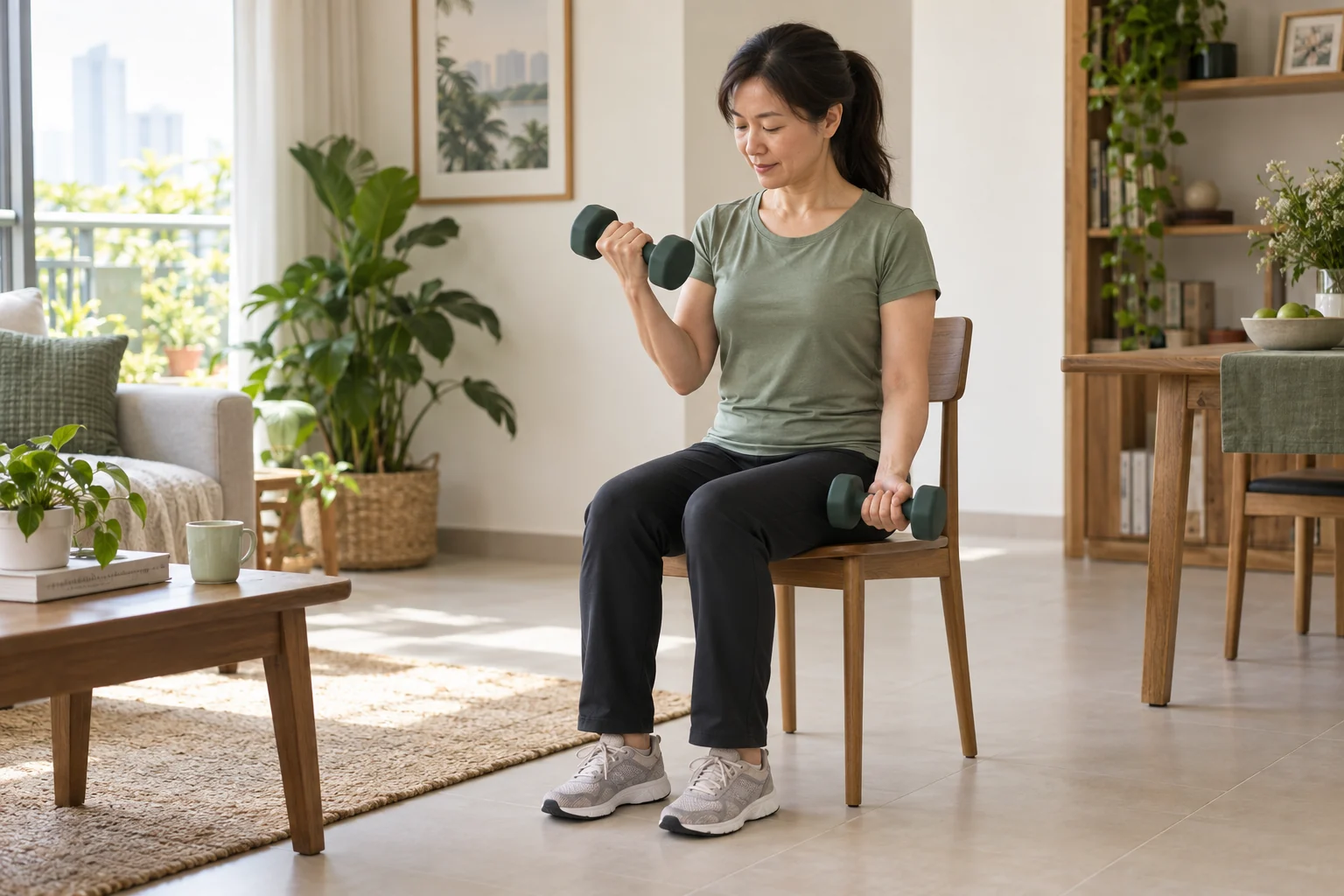
One sub-study puts lean mass at a quarter of the weight lost on GLP-1 medication, a review of another nearer 40% — but placebo arms lost a similar share.
Body weight is fat plus lean tissue. What a DXA sub-study found about the split, and why the ratio decides whether a result holds.
After weight loss, energy expenditure falls by more than body-size change predicts. Here is what that means, what it does not, and what changes the odds.
Phase one takes the fat off. Phase two holds it, is longer, has no end date, and is where most results are lost. What each phase is for.
"Skinny fat" means a normal body weight with a high body-fat percentage and low muscle. What the evidence shows, and why it is common in Singapore.
A concrete week: a protein target with the right denominator, two or three hard resistance sessions, walking, the injection day, and what to measure.
Programmes are judged on kilograms because that is what the trials measured. What that metric cannot see, and what closing the gap would take.
Lean mass is everything that is not fat. Losing it lowers what your body burns at rest and costs you tissue that is slow to rebuild. Here is the evidence.
Body weight reports total mass, not what it is made of. What to track instead during treatment, and the evidence behind each alternative.
Most of what a beginner gains in the first month is nervous system, not muscle. Here is what to expect week by week, and how little training it takes.
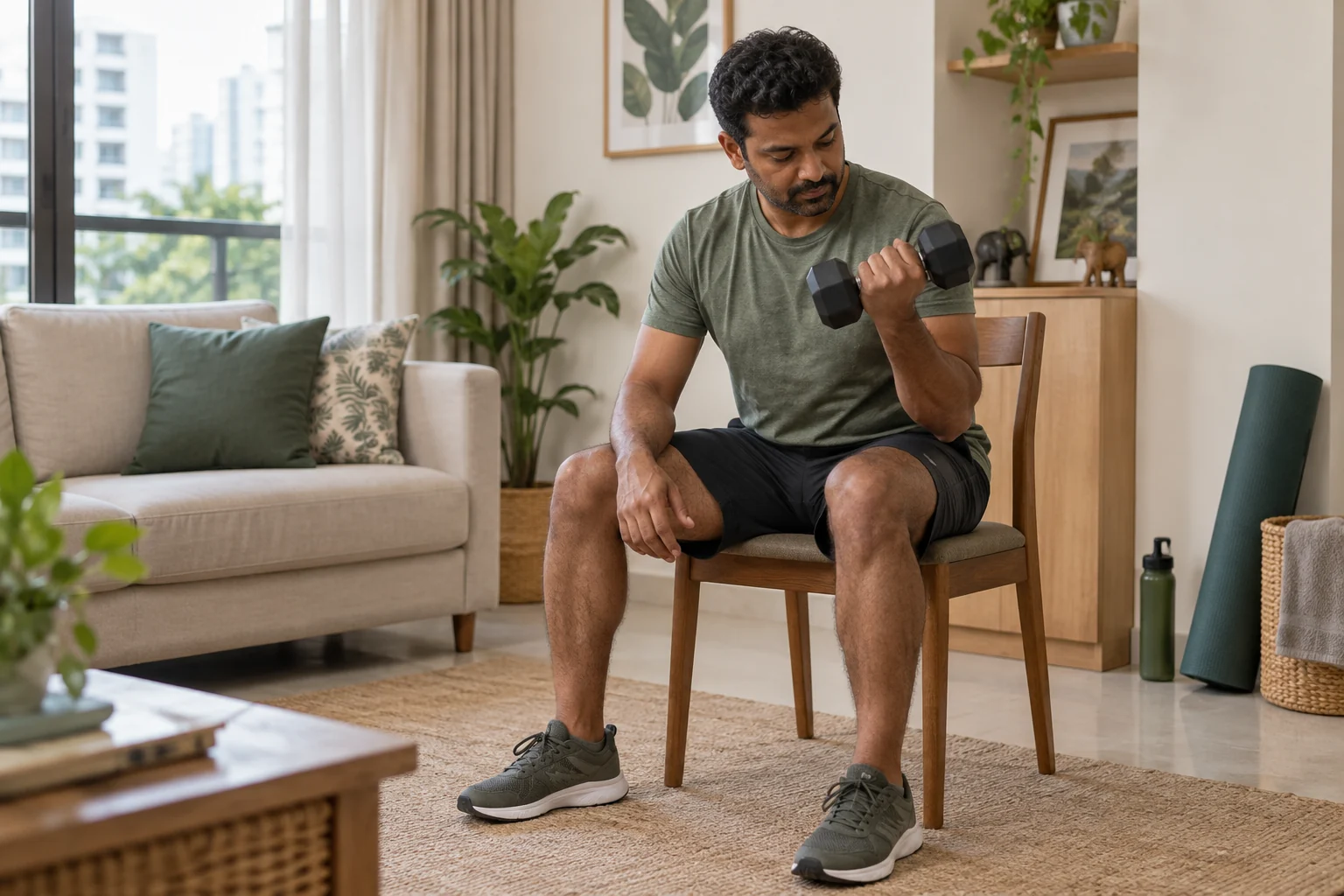
In a trial of dieting older adults, aerobic-only exercise lost roughly double the lean mass of resistance training. Here is the evidence, and a myth.
Twelve tactics for reaching a daily protein target when food has stopped being appealing, sorted by sequencing, density and format.

The severity of the deficit clearly changes what you lose. Whether speed matters independently is contested — two trials say yes, one says no.
Most guidance lands at 1.2–1.6 g of protein per kg body weight per day during active weight loss to preserve muscle — here's how to hit that in Singapore.

DEXA, InBody and smart scales measure body composition differently and disagree with each other. Here is what each is good for, and Singapore costs.
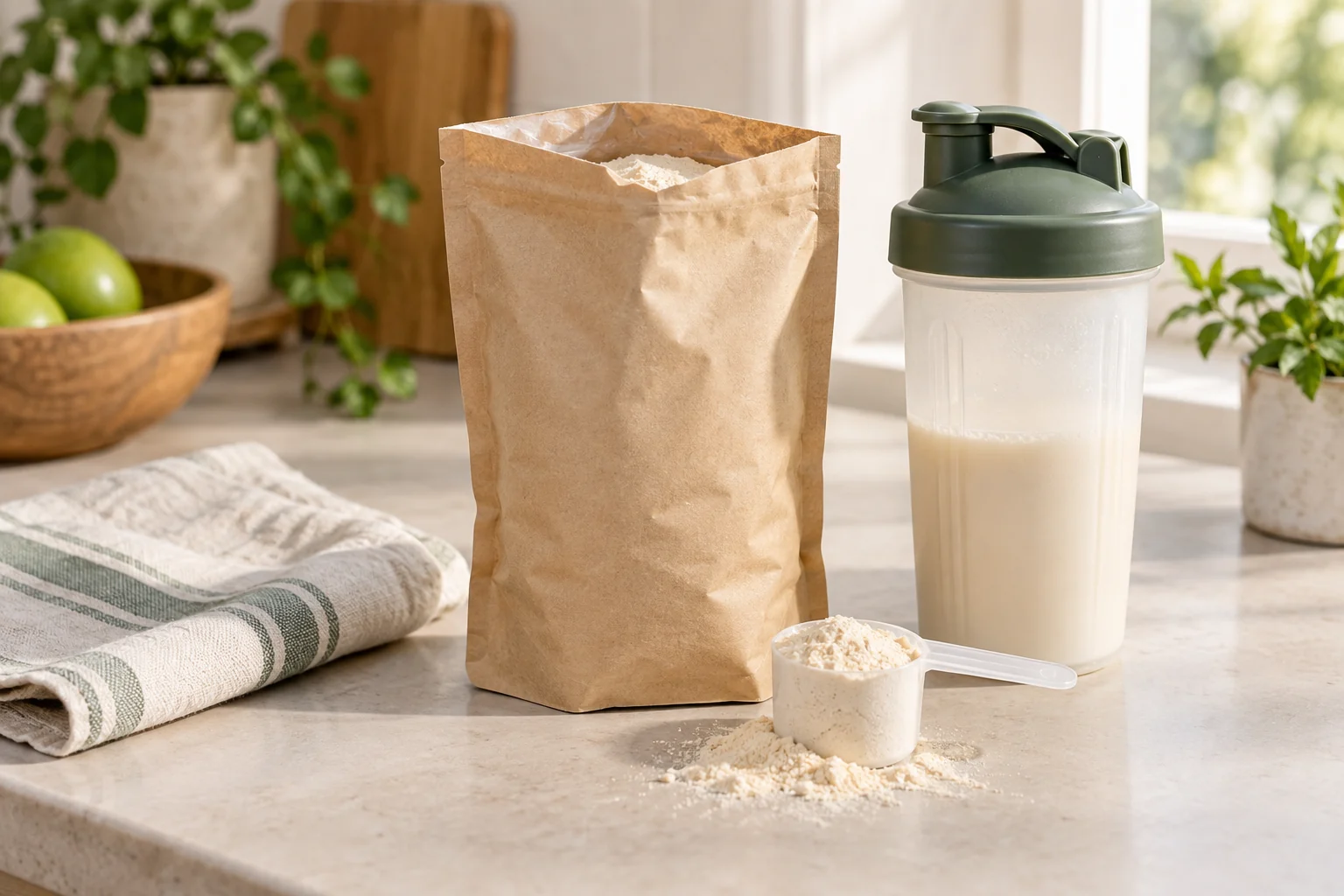
A tub of protein powder is very probably regulated as food by SFA, not as a supplement by HSA. What that means, whether whey beats plant, when it helps.
You do not need long sessions or heavy weights to protect muscle during weight loss. Here is the least training the evidence supports, and why it works.

Strength is worth tracking in its own right and predicts hard outcomes. What it cannot do is tell you whether you are keeping muscle. Both halves matter.
No withdrawal trial measured appetite after stopping. Here is what was measured, what the drug half-life implies, and why the distinction matters.
Trial data puts roughly two-thirds of the lost weight back within a year. The parts of that number that usually get dropped.
Once the appetite effect stops, something else has to hold the result. What the withdrawal trials measured, and what they never did.
GLP-1 withdrawal trials tested stopping abruptly, not tapering. Here is what that absence of evidence means for planning an exit.

Registry data on people who kept large losses off for years points at a short list. Here it is, with the limits of the evidence stated honestly.
No trial has compared one treatment duration with another. The longest exposure data, when the curve flattens, and what decides duration.
Regain after stopping is well documented. What designing the exit at the start actually consists of, and what has never been tested.
No GLP-1 trial has measured whether regained weight comes back as fat or muscle. Here is what is known, what is assumed, and why the distinction matters.
Many people report drinking less on GLP-1 medication, and trials are testing it. Here is what is established, and what the labels do not say.

Constipation affects about a quarter of people on GLP-1 medication. Here is what the evidence supports doing about it, and what it does not.
Most GLP-1 side effects are gastrointestinal and transient. Serious problems are rare. Here is an honest, tiered picture with incidences from the trials.

Nausea affects a large minority on GLP-1 and clusters around dose increases. Here is what the trials show, and why the diet advice is not evidence.
Most GLP-1 side effects are unpleasant rather than dangerous. A short list is neither. Here is what the product information says to act on.
The formal contraindications are short, and Singapore's differ from the US ones. Here is what each says, and what a doctor actually screens for.
Our criteria are BMI 25 and above alongside a related health condition. How that sits beside the national guideline and the registered label.
Nine questions that separate a medical service from a subscription. Criteria rather than names, with the evidence behind why each one is worth asking.
What to expect at a GLP-1 video consultation in Singapore: what we ask for beforehand, what the doctor assesses on the call, and what follow-up looks like.
Eleven Singapore hawker dishes with laboratory-measured energy and protein, ranked by protein per calorie — and why the top is not the best pick.